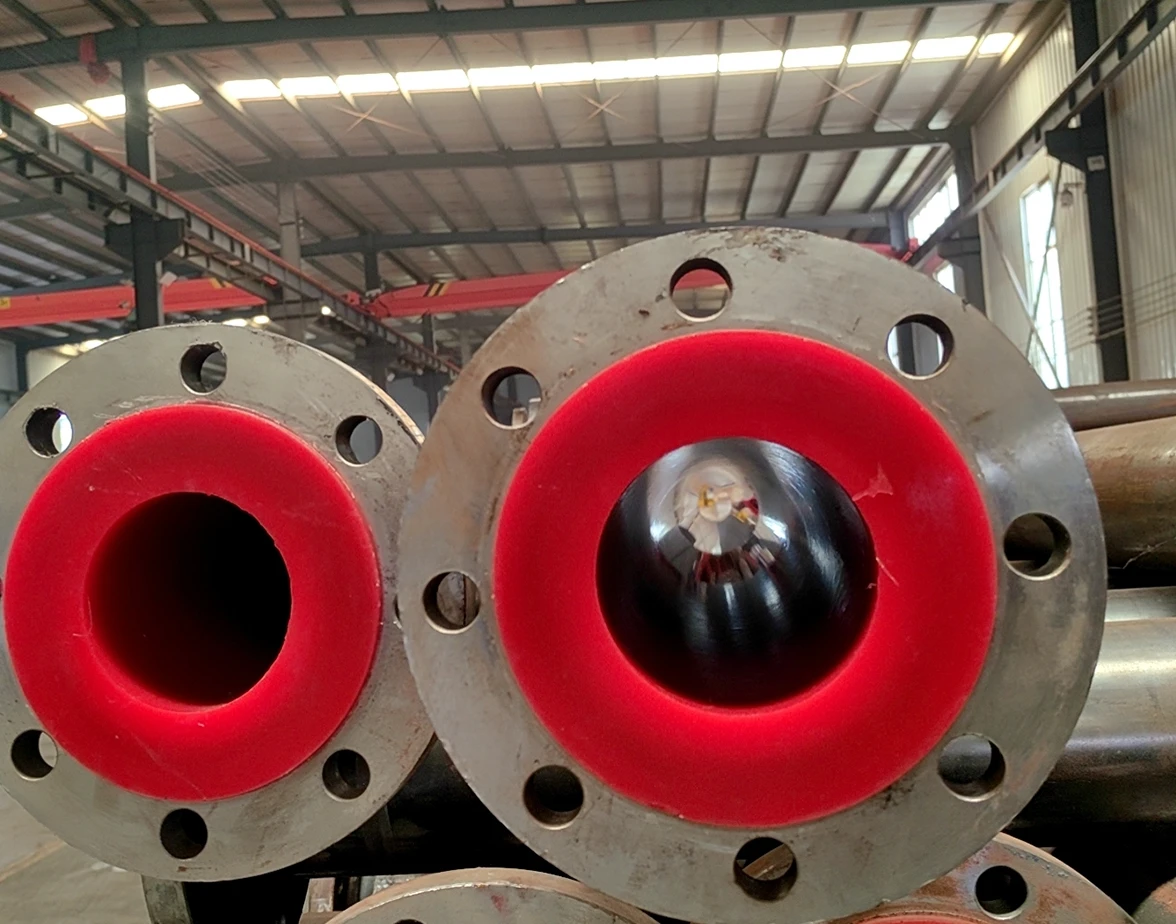
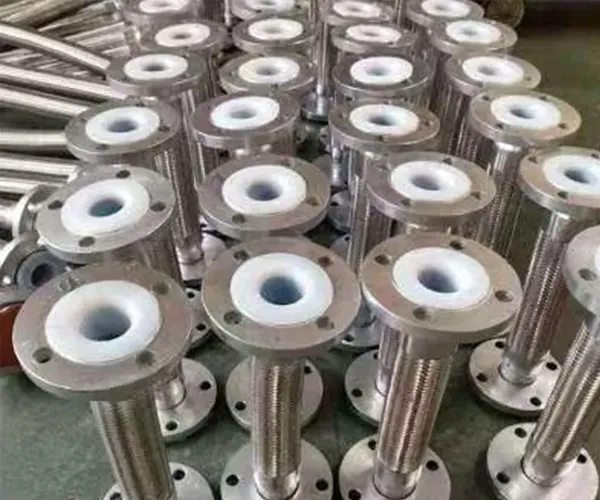
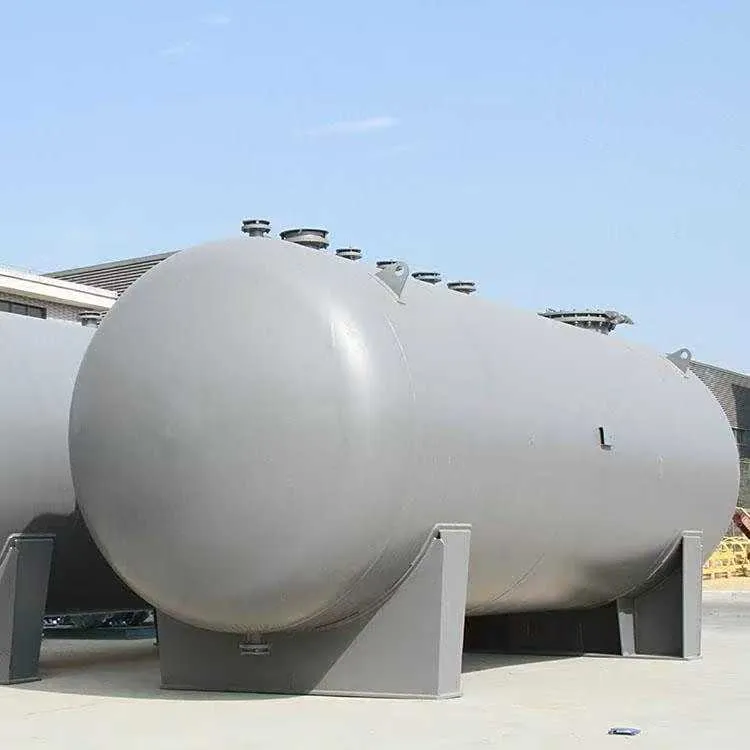
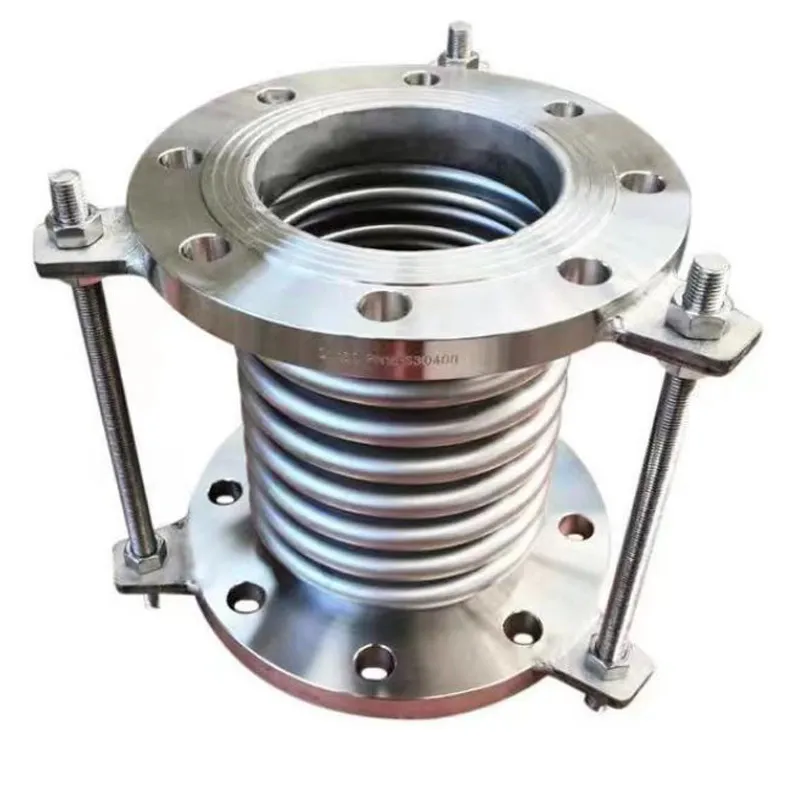
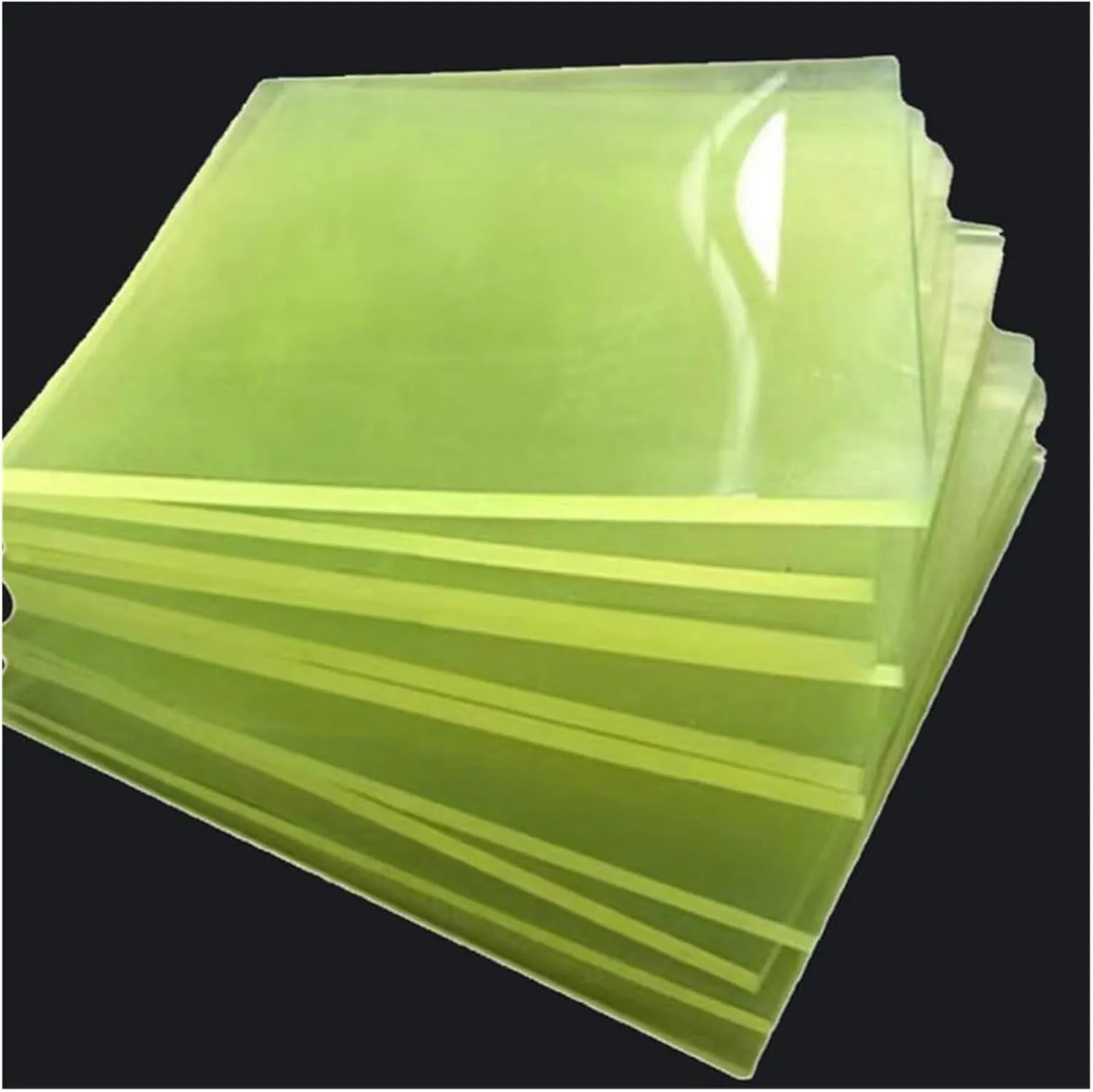
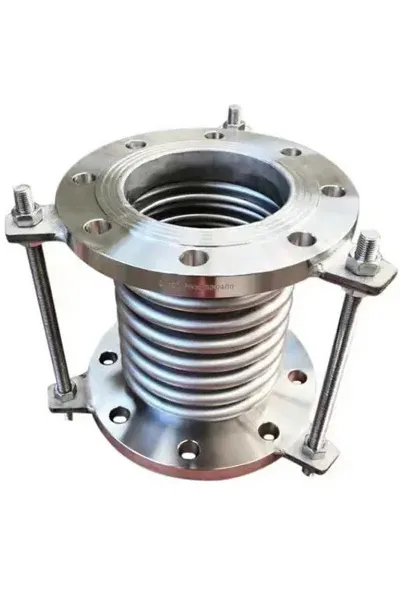
Introduction to Advanced Lined Pipe Fittings In critical industrial applications where corrosive, abrasive, or high-purity media are transported, the integrity and longevity of piping systems are paramount. This is precisely where lined pipe fittings become indispensable. These specialized components combine the structural strength of a metallic outer shell with the superior chemical and abrasion resistance of an internal lining material, offering a robust solution that extends system lifespan and enhances operational safety. From the aggressive environments of petrochemical plants to the demanding conditions of mining and metallurgy, lined pipe systems provide a reliable conduit for challenging fluids, minimizing downtime and maintenance costs. This article delves into the technical intricacies, application benefits, and strategic considerations surrounding these essential industrial components. Industry Trends in Lined Pipe Systems The market for lined pipe systems is experiencing significant growth, driven by several key industry trends. Increased global demand for raw materials, coupled with more stringent environmental regulations and safety standards, necessitates more durable and resilient piping infrastructure. Innovations in polymer science have led to the development of advanced lining materials capable of withstanding extreme temperatures, pressures, and chemical compositions, further broadening the application scope of these systems. Furthermore, the push towards sustainability and reduced operational expenditures (OpEx) encourages industries to invest in solutions that offer extended service life and minimal environmental footprint, attributes inherently provided by high-quality lined pipe systems. Key trends include: Material Innovation: Development of new, high-performance polymers and elastomers (e.g., advanced polyurethanes, PTFE variants) that offer enhanced resistance to specific chemicals and abrasion. Digitalization & Smart Monitoring: Integration of sensors for real-time monitoring of liner integrity, flow characteristics, and temperature, enabling predictive maintenance. Modularity & Customization: Growing demand for pre-fabricated, modular lined pipe fittings and systems that are easy to install and specifically tailored to complex process layouts. Eco-friendly Production: Focus on manufacturing processes that reduce waste and energy consumption, aligning with corporate sustainability goals. Manufacturing Process of Lined Pipe Fittings The production of high-performance lined pipe fittings is a meticulous multi-stage process designed to ensure structural integrity and optimal lining performance. Here’s a detailed overview of the typical manufacturing flow: 1. Outer Shell Fabrication Material Selection: Typically, robust metals like carbon steel, stainless steel (304, 316L), or specialty alloys are chosen based on the required mechanical strength, pressure rating, and external environmental conditions. Forming/Casting/Forging: Casting: For complex shapes like tees or elbows, molten metal is poured into molds. This allows for intricate geometries but requires careful control to avoid porosity. Forging: For higher strength and ductility, metal is shaped using compressive forces. This is common for flanges and high-pressure components. Welding/Fabrication: For larger diameter pipes or specific custom fittings, metal plates are rolled and welded, followed by precise machining. Machining (CNC): Precision CNC machining ensures exact dimensions, critical for proper liner adhesion and sealing. This includes preparing internal surfaces for optimal bonding and flange faces for tight connections. 2. Surface Preparation Blasting: The internal surface of the metal shell is grit-blasted to achieve a specific surface roughness profile (e.g., SSPC-SP10 Near-White Metal Blast), crucial for mechanical interlocking and chemical bonding of the liner. Cleaning & Degreasing: Removal of all oils, greases, and contaminants to prevent adhesion issues. 3. Liner Application Material Selection: Based on the application, lining materials like PTFE, PFA, FEP, PP, PE, or specialized polyurethanes are chosen for their chemical resistance, temperature limits, and abrasion resistance. For example, polyurethane is excellent for abrasive slurries, while PTFE is preferred for highly corrosive chemicals. Application Method: Rotational Lining (Rotolining): For complex shapes and thick, seamless liners (like Polyurethane Lined Tee Pipe), powdered polymer is introduced into a heated metal part, which is then rotated bi-axially. The polymer melts and flows, coating the internal surface uniformly. Paste Extrusion/Isostatic Molding: For PTFE, pre-formed billets are pushed or molded into the pipe. Sheet Lining: For larger diameter or specific geometries, pre-fabricated sheets are bonded to the interior. Spray/Brush Application: For certain elastomeric or ceramic linings, applied in layers. Curing: The lined component undergoes a controlled curing process (heat treatment) to ensure full polymerization, optimal adhesion, and stress relief in the liner. 4. Quality Control & Testing Visual Inspection: Checking for defects, bubbles, or irregularities in the liner. Spark Testing (Holiday Testing): A high-voltage probe is passed over the liner surface to detect pinholes or breaches in the dielectric lining, ensuring complete coverage. Adhesion Testing: Destructive or non-destructive tests to verify the bond strength between the liner and the steel shell. Hydrostatic Testing: Pressure testing of the entire assembly to ensure structural integrity and leak-proof performance according to standards like ANSI B16.5 or ISO 10474. Dimensional Inspection: Verification of flange dimensions, face-to-face dimensions, and bore sizes against engineering drawings. Throughout this process, adherence to international standards such as ISO 9001 for quality management and material-specific standards (e.g., ASTM F1545 for plastic-lined ferrous pipe, fittings, and flanges) is critical. The typical service life of well-manufactured lined pipe fittings can exceed 20 years, depending on the application and operating conditions, representing significant energy saving and corrosion resistance advantages over traditional unlined pipes in target industries like petrochemical, metallurgy, and water supply & drainage. Technical Specifications & Product Deep Dive: Polyurethane Lined Tee Pipe A prime example of advanced lined pipe fittings is the Polyurethane Lined Tee Pipe. Polyurethane (PU) is widely recognized for its exceptional abrasion resistance, making it ideal for slurry transport applications where other lining materials would quickly degrade. Its elastomeric nature also provides good impact resistance and sound dampening properties. Key Features of Polyurethane Lined Tee Pipe: Superior Abrasion Resistance: Outperforms rubber and many other polymers in handling abrasive slurries containing sand, gravel, and mineral ores. Chemical Resistance: Good resistance to dilute acids, alkalis, oils, and greases, though specific chemical compatibility should always be verified. Impact Absorption: The resilient nature of polyurethane helps absorb shock and vibration, extending the life of the entire piping system. Temperature Range: Typically suitable for continuous operation from -20°C to +80°C (approx. -4°F to +176°F), with specific grades capable of higher temperatures for intermittent use. Reduced Friction: Smooth liner surface can contribute to lower pumping costs and reduced pressure drop. Product Specification Table: Polyurethane Lined Tee Pipe Parameter Specification Notes Outer Shell Material Carbon Steel (ASTM A234 WPB, ASTM A106 Gr. B), Stainless Steel (ASTM A312 TP304/316L) Selected based on pressure, temperature, and external environment. Lining Material High-Performance Polyurethane (e.g., Shore Hardness 85A-95A) Optimized for abrasion and impact resistance. Nominal Diameter (DN) DN50 (2") to DN1000 (40") Custom sizes available upon request. Pressure Rating PN10 to PN100 (ANSI Class 150 to Class 600) Dependent on shell material thickness and flange ratings. Temperature Range -20°C to +80°C (continuous) Higher for intermittent or specialized PU grades. Liner Thickness 3mm to 10mm (0.12" to 0.40") Adjustable based on anticipated wear and application. Flange Standard ANSI B16.5, DIN, JIS, BS Ensures compatibility with existing piping systems. Testing Standards ISO, ANSI, ASTM (e.g., Spark Test, Hydrostatic Test) Guarantees product quality and reliability. Technical Advantages of Lined Pipe Fittings The deployment of lined pipe fittings offers a multitude of technical and operational advantages over conventional unlined metallic or even solid plastic piping: Exceptional Corrosion Resistance: The non-metallic liner acts as a barrier, isolating aggressive chemicals from the metallic outer shell. This prevents electrochemical corrosion, pitting, and general material degradation, significantly extending the service life of the system, especially in highly corrosive environments like those found in chemical processing or acid transfer. Superior Abrasion Resistance: For abrasive slurries, certain lining materials like polyurethane offer outstanding resistance to wear caused by solid particles. This drastically reduces pipe erosion, leading to fewer leaks, less maintenance, and prolonged operational periods compared to steel pipes that would quickly thin out. High Mechanical Strength: The metallic outer shell provides the necessary mechanical strength to withstand high pressures and external impacts, a significant advantage over solid plastic pipes which often lack comparable pressure ratings and physical robustness. This dual-layer construction ensures both chemical and structural integrity. Cost-Effectiveness & Energy Saving: While initial investment might be higher than unlined steel, the extended service life, reduced maintenance, and prevention of costly leaks or system failures lead to substantial long-term savings. Furthermore, smoother internal surfaces (especially with PTFE/PFA) can reduce friction, leading to lower pumping energy requirements (energy saving) in some applications. Purity Maintenance: In applications requiring high purity (e.g., pharmaceuticals, ultrapure water), inert lining materials like PTFE prevent contamination of the conveyed media, a critical factor where metallic ion leaching is unacceptable. Temperature and Pressure Versatility: Lined systems can be engineered to handle a wide range of temperatures and pressures that would be challenging for a single material. The metallic shell provides thermal and pressure stability, while the liner handles chemical exposure. Environmental & Safety Benefits: By preventing leaks and spills of hazardous materials, lined piping systems contribute significantly to environmental protection and operational safety. This reduces the risk of environmental contamination and protects personnel. Application Scenarios The versatility of lined pipe fittings makes them indispensable across a diverse range of industries and challenging applications: Petrochemical and Chemical Processing: Handling highly corrosive acids (e.g., HCl, H2SO4), strong alkalis, solvents, and other aggressive chemicals. This includes transfer lines, reaction vessel connections, and utility piping where chemical attack is a primary concern. Mining and Mineral Processing: Transporting abrasive slurries containing mineral ores, tailings, and corrosive reagents. Polyurethane-lined pipes are particularly vital here for applications such as slurry lines, concentrate pipelines, and tailing disposal systems, where conditions are notoriously harsh. Power Generation: Used in flue gas desulfurization (FGD) systems, ash handling, and water treatment plants, where abrasive slurries and corrosive chemicals are present. Water and Wastewater Treatment: Conveying corrosive chemicals for purification, such as hypochlorite, ferric chloride, and acids, preventing pipe degradation and ensuring water quality. Pharmaceutical and Food & Beverage: For high-purity applications where inertness, non-stick surfaces, and chemical resistance are critical to prevent product contamination and maintain hygiene standards. Oil and Gas: Offshore and onshore platforms for handling corrosive crude oil, produced water, and various process chemicals. Specialized applications include fuel pipe elbow and other components in refinery and distribution systems where specific fuel compositions can be corrosive. Steel Mills and Metallurgy: Transfer of acidic pickling solutions, scale slurries, and other aggressive process fluids. Customized Solutions and Vendor Comparison The complexity and specific requirements of industrial processes often necessitate customized lined pipe fittings . Reputable lined pipe manufacturers offer extensive customization options, including specific material combinations (shell and liner), non-standard dimensions, unique fitting configurations, and specialized flange drillings to seamlessly integrate into existing or new systems. Factors for Vendor Comparison: Manufacturing Expertise: Look for manufacturers with demonstrated experience in both metal fabrication and polymer lining techniques, especially rotational lining for consistent liner thickness in complex geometries. Material Range & Quality: A broad offering of lining materials (PTFE, PFA, PP, PE, PU) ensures suitability for diverse applications. Verification of material certifications is crucial. Quality Control & Testing: Robust QC protocols, including 100% spark testing, hydrostatic testing, and adherence to international standards (e.g., ISO, ASTM, ANSI), are non-negotiable. Customization Capabilities: Ability to produce bespoke fittings, spools, and assemblies to meet specific project demands, often supported by advanced CAD/CAM design. Lead Times & Fulfillment: Timely delivery is critical for project schedules. Inquire about typical lead times and logistical support. After-Sales Support: Availability of technical assistance, spare parts, and warranty provisions. Certifications & Authorizations: Certifications like ISO 9001, ASME, and compliance with industry-specific regulations underscore reliability and quality. Lined Pipe Fitting Types Comparison Liner Material Key Characteristics Typical Applications Temperature Range (approx.) PTFE (Polytetrafluoroethylene) Universal chemical resistance, non-stick, low friction, excellent purity. Aggressive chemicals, pharmaceuticals, ultrapure water. -29°C to 230°C PFA (Perfluoroalkoxy) Similar chemical resistance to PTFE, superior permeation resistance, weldable. High-purity chemicals, semiconductor manufacturing, high-temperature aggressive fluids. -29°C to 260°C PP (Polypropylene) Good chemical resistance, cost-effective, good abrasion resistance. Dilute acids/alkalis, water treatment, general chemical services. -17°C to 100°C PE (Polyethylene) Excellent abrasion resistance, flexible, cost-effective. Slurry pipelines, wastewater, general water distribution. -40°C to 60°C Polyurethane (PU) Outstanding abrasion and impact resistance, good chemical resistance. Heavy abrasive slurries (mining, sand, aggregates), high-wear applications. -20°C to 80°C Real-World Application Case Study Case Study: Tailings Line in a Copper Mine A major copper mining operation in South America faced severe issues with its tailings disposal pipeline. The existing carbon steel pipes, transporting highly abrasive and corrosive mineral slurry, experienced critical wear and corrosion in bends and connections, leading to frequent leaks and costly downtime for replacement – averaging every 6-9 months for certain elbow sections. The abrasive nature of the slurry (quartz, sulfides) combined with the mildly acidic process water ( pH 4.5-5.5) created an extremely aggressive environment. To address this, the operator decided to implement Polyurethane Lined Tee Pipes and elbows in the most critical high-wear areas, specifically the distribution manifolds and directional change points. The chosen polyurethane liner (90 Shore A hardness) was rotolined into DN400 (16-inch) carbon steel fittings. Results: After 24 months of continuous operation, visual inspections of the Polyurethane Lined Tee Pipes revealed minimal wear, with the liner largely intact. This represented a more than 300% increase in service life compared to the unlined components. The reduced frequency of replacements resulted in: Significant Cost Savings: Estimated 60% reduction in maintenance and replacement costs over two years. Increased Uptime: Fewer unscheduled shutdowns, leading to improved operational efficiency and higher production output. Enhanced Safety: Minimized risk of slurry spills, improving environmental compliance and worker safety. This case highlights the tangible benefits of investing in specialized lined pipe fittings for applications involving severe abrasion and corrosion, demonstrating how a tailored engineering solution can dramatically improve operational longevity and profitability. Ensuring Trustworthiness: FAQ, Lead Time, Warranty & Support At the core of any B2B partnership is trust, built upon transparency, reliable product performance, and robust support. We uphold these principles through clear communication on technical specifications, service commitments, and after-sales assistance. Frequently Asked Questions (FAQ) Q: What is the maximum operating temperature for Polyurethane Lined Tee Pipe? A: Our standard polyurethane liners are designed for continuous service up to +80°C (176°F). For higher temperature requirements, specialized PU grades or alternative lining materials like PFA/PTFE would be recommended. Q: How do you ensure the liner's adhesion to the steel shell? A: We employ a multi-stage surface preparation process, including grit-blasting to a near-white metal finish (SSPC-SP10) and chemical bonding agents. For polyurethane, the rotolining process itself provides exceptional mechanical interlock and a strong bond, verified by adhesion testing. Q: Can these fittings handle vacuum conditions? A: Yes, our lined pipe fittings are designed for full vacuum service up to the rated temperature of the liner material, ensuring no liner collapse under negative pressure. Q: What inspection and testing are performed before shipment? A: All fittings undergo 100% visual inspection, spark testing (holiday testing) to detect pinholes, and hydrostatic pressure testing to verify mechanical integrity, in accordance with applicable industry standards. Lead Time & Fulfillment Standard orders for common lined pipe fittings typically have a lead time of 4-6 weeks, depending on material availability and production queue. Custom-engineered solutions or large-volume orders may require 8-12 weeks. We work closely with clients to establish realistic schedules and offer expedited manufacturing options for urgent requirements where feasible, subject to additional charges. Our logistics team ensures efficient and secure global delivery. Warranty Commitments We stand behind the quality of our products with a comprehensive warranty against defects in material and workmanship. Our standard warranty period is 12 months from the date of installation or 18 months from the date of shipment, whichever comes first. Specific terms and conditions are provided with each quotation. Customer Support Our dedicated technical support team is available to assist with product selection, installation guidance, and troubleshooting. We provide detailed installation manuals, engineering drawings, and responsive technical consultation. For complex projects, on-site support can be arranged. We are committed to ensuring the successful long-term operation of our lined pipe systems in your facility. Conclusion The strategic implementation of high-quality lined pipe fittings represents a significant advantage for industries grappling with aggressive fluid transfer challenges. By offering an optimized blend of mechanical strength and chemical/abrasion resistance, these components ensure operational continuity, minimize environmental risks, and deliver substantial long-term cost savings. As industrial processes become more complex and environmental regulations stricter, the demand for advanced lined piping solutions will only continue to grow, solidifying their role as critical infrastructure components. Authoritative References ASTM International. (2020). ASTM F1545-20: Standard Specification for Plastic-Lined Ferrous Pipe, Fittings, and Flanges. ASTM International, West Conshohocken, PA. ISO. (2018). ISO 9001:2015: Quality management systems — Requirements. International Organization for Standardization, Geneva, Switzerland. Corrosion Engineering Handbook, 3rd Edition. (2019). Lined Piping Systems for Corrosive Applications. Marcel Dekker, Inc. NACE International. (2016). NACE SP0188-2016: Discontinuity (Holiday) Testing of New Protective Coatings on Conductive Substrates. NACE International, Houston, TX.